
Marketing
Content Writing in the Age of AI: How to Write for Humans and AI Search

When we hear the words digital marketing, most of us immediately think about Instagram ads, Google searches, social media posts, influencers and email campaigns.
But digital marketing is much bigger than advertising.
Sometimes, the best marketing lessons are hidden inside the digital products we use every day.
For me, Uber became one such example.
As a digital marketing student, I started looking at Uber differently because my husband works as an Uber driver in Kerala. Over time, I began noticing how the platform connects technology, customer experience, communication, pricing, ratings and convenience in one digital ecosystem.
That experience made me think about a question:
What can digital marketers learn from Uber's growth and customer experience in Kerala?
The answer is not simply "discounts."
It is about how a digital platform can become part of a customer's everyday routine.
Uber is fundamentally a transportation platform, but its customer experience provides several useful marketing lessons.
A customer can discover the service, choose a ride, enter a destination, receive trip information, complete the journey and provide feedback through the same digital environment.
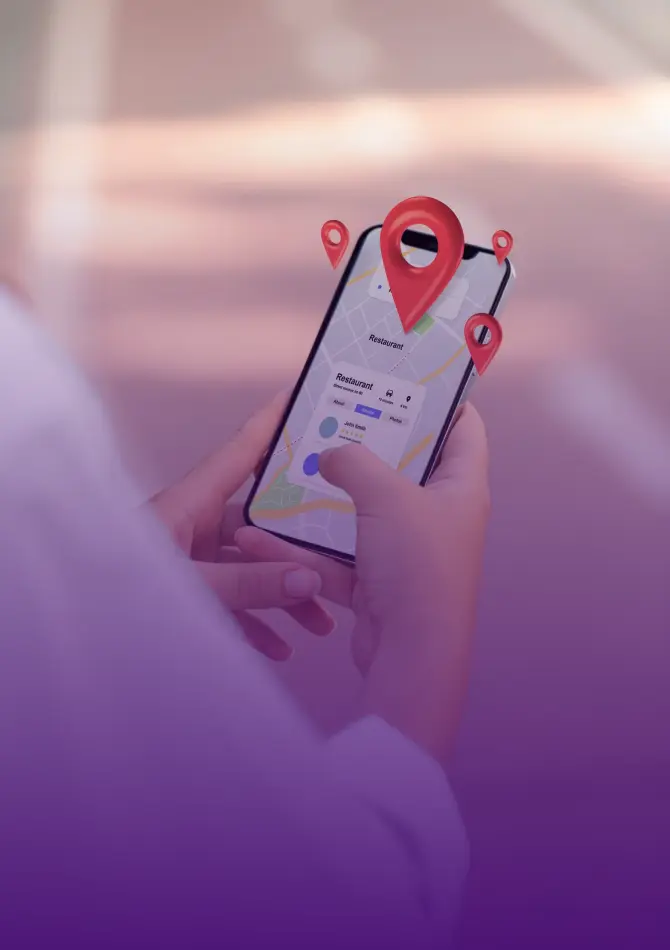
Uber's current information for Kochi, for example, shows multiple ride options and features available through its platform.
From a marketer's perspective, this is interesting because the product itself becomes part of the marketing experience.
Instead of thinking about marketing as something that happens only before a purchase, we can look at the entire customer journey.
That is one of the most important lessons digital marketers can take from platform businesses.
A taxi gets a person from one place to another.
But customers don't necessarily think only about transportation when choosing a service.
They may also care about:
This is where customer experience becomes marketing.
A company can spend money telling customers that its service is convenient.
But if the actual product genuinely makes a customer's life easier, the experience itself communicates that message.
For digital marketers, the lesson is simple:
Don't only market the product. Improve the experience around the product.
The technology may be different, but the marketing principle remains the same: remove unnecessary friction.
One of the most interesting aspects of app-based businesses is that the product and communication channel can exist together.
A customer may receive information about an offer, open the app, make a booking and complete the transaction without moving through several unrelated platforms.
This creates an important digital marketing concept:
The customer journey can happen inside the product itself.
For marketers, this changes the question from:
"How do we get people to see our advertisement?"
to:
"What happens after someone interacts with our marketing?"
Imagine a small business that spends money on Instagram advertising.
A person sees the advertisement.
They click the profile.
Then they have to search for the price.
Then they need to find a phone number.
Then they send a WhatsApp message.
Then they wait for a reply.
Every additional step creates friction.
Now imagine a simpler journey:
Ad → useful landing page → clear information → enquiry → quick response → purchase
The second experience may feel much easier to the customer.
That is a lesson worth learning from digital platforms like Uber.
People often associate marketing success with creative advertisements.
But convenience can be equally powerful.
When a service removes unnecessary steps from a customer's life, customers have a practical reason to use it.
This is especially important in digital marketing because people are constantly comparing experiences.
If one website loads quickly and another is difficult to navigate, the difference becomes part of the brand experience.
If one business responds quickly and another takes days, that becomes part of the brand experience too.
Marketing doesn't happen only when the customer sees your content.
It happens whenever the customer interacts with your business.
Discounts are one of the most visible forms of digital promotion.
Customers notice them immediately.
However, marketers should be careful about treating discounts as a complete marketing strategy.
A discount can encourage someone to try a service.
But what happens next?
Does the customer return?
Did they enjoy the experience?
Would they recommend it?
Did the business build a relationship?
These questions are more important for long-term marketing.
For example, imagine an online clothing store offering a large discount to attract first-time buyers.
If customers purchase once and never return, the business has generated a transaction but may not have created lasting customer value.
A stronger strategy could be:
Attract → provide a good experience → build trust → encourage repeat purchase
That is where digital marketing becomes more than promotion.
One thing I have personally noticed through my husband's experience as a driver is the importance people place on ratings and reviews.
From a customer's perspective, a rating can act as a quick trust signal.
This idea applies to almost every online business.
Think about how people choose:
Before making a decision, many customers look for evidence that other people had a positive experience.
That means customer experience and reputation are closely connected.
A useful marketing chain is:
Good experience → positive feedback → stronger trust → easier decision-making
However, businesses should never manufacture reviews or manipulate customer feedback.
Authentic customer experiences are much more valuable for long-term credibility.
A global digital platform still operates in a local environment.
Kerala has its own transportation habits, cities, tourism patterns, customer expectations and competitive landscape.
That means marketers should not assume that a strategy that works in one market will automatically work in another.
For example, a business targeting customers in Kochi may communicate differently from one targeting customers in another country.
Local language, cultural references, customer needs and purchasing behaviour can influence how people respond to digital content.
Uber's current city-specific pages for Kerala illustrate another important point: digital platforms still need to communicate information at the local-market level.
For a digital marketer, this leads to an important lesson:
Think globally when developing ideas, but think locally when understanding customers.
There is another side to the story that customers may not always see.
Behind every ride is a driver.
My husband's experience has made me think about this more carefully.
As customers, we see the front end of the platform: we open an app, request a ride and reach our destination.
Drivers experience a different side of the system.
They have to think about fuel, vehicle maintenance, time, traffic, customer expectations and the economics of their work.
I don't want to use one person's experience to make assumptions about every driver.
But it has taught me something important about digital platforms:
A digital experience can look simple on the screen even when a complicated human system exists behind it.
This is also a valuable lesson for marketers.
When we design a customer journey, we should think about everyone involved in delivering that experience.
A business may focus heavily on customers because customers generate revenue.
But platforms often depend on multiple groups.
In a ride-hailing ecosystem, for example, there are riders and drivers, along with the technology and operational systems connecting them.
In other industries, there may be:
A marketing strategy that considers only the final customer may miss important parts of the business.
For digital marketers, understanding the wider ecosystem can lead to a better strategy.
Uber provides several useful lessons for students learning digital marketing.
Before creating content or advertisements, understand what the customer actually wants.
People may not want a particular product.
They want the result that product provides.
Every unnecessary step can create friction.
Make it easy to:
Promotions can attract attention, but long-term marketing depends on value, experience and trust.
Customer feedback can influence future purchasing decisions.
Delivering a good experience is therefore part of marketing.
Digital marketing includes much more than posting on Instagram.
Websites, apps, search, email, customer experience, analytics, reviews and conversion journeys all matter.
A Kerala audience is not identical to an audience in another market.
Research the people you want to reach before creating campaigns for them.
When learning digital marketing, don't only analyse advertisements.
Study the entire customer journey.
Ask:
These questions can teach us more than simply looking at an advertisement.
The most useful marketing lessons are the ones we can actually use.
A small business doesn't need a massive technology budget to apply these ideas.
A home-based baker could make WhatsApp ordering easier.
A freelancer could create a professional portfolio and enquiry form.
A local restaurant could make its menu easier to access from Google and social media.
A fitness trainer could create an automated appointment process.
A small retailer could actively collect genuine customer feedback and improve its online reputation.
A content creator could make the journey from social media follower to website visitor more useful.
The technology may be simple.
The principle is not.
Make it easier for the right customer to discover, trust and choose your business.
The most valuable lesson I take from studying Uber is that digital marketing is not simply about getting attention.
It is about what happens after you get that attention.
A customer may see an advertisement.
But then they experience the website.
They interact with the product.
They communicate with the business.
They form an opinion.
They may leave a review.
They may return.
They may recommend the service.
Every one of those moments can influence the brand.
That is why modern digital marketers need to understand more than content creation.
They need to understand customer journeys, user experience, trust, retention and business strategy.
My husband's experience as an Uber driver gave me a different way to look at a service I had previously used simply as a customer.
I started seeing the app not just as a transportation tool, but as an example of how technology can connect marketing and customer experience.
Uber's biggest lesson for me is not that every business should copy Uber.
It is that marketers should learn to look at businesses differently.
Instead of asking only:
"How is this company advertising?"
we should also ask:
"Why does the customer choose it, what makes the experience easier, and what might make the customer come back?"
Those questions can turn an everyday app into a valuable digital marketing case study.
And for anyone learning digital marketing, that is perhaps the biggest lesson of all:
Great marketing doesn't end when a customer clicks. It continues through the entire experience.