

Marketing
Content Writing in the Age of AI: How to Write for Humans and AI Search


Picture two tea shops on the same street. One is always full, with people waiting outside for a table. The other, just a few shops down, sells food just as good but stays half empty most days. What is the real difference between them? Often, it is not the food or the price. It is what happens online before a customer ever walks through the door.
These days, people rarely just walk into a new shop, salon, or restaurant without checking something first. They open Google, look at a few photos, read what other customers said, and scroll through the shop's Instagram page. A business that shows up well in that quick search wins the customer before the customer even arrives. A business that is missing from that search loses the customer without ever knowing it happened.
Here is the part that matters most for small business owners: none of this needs a big marketing budget. A phone, a little consistency, and the right habits are enough to start pulling in more customers online. Below are nine practical ways to do exactly that.
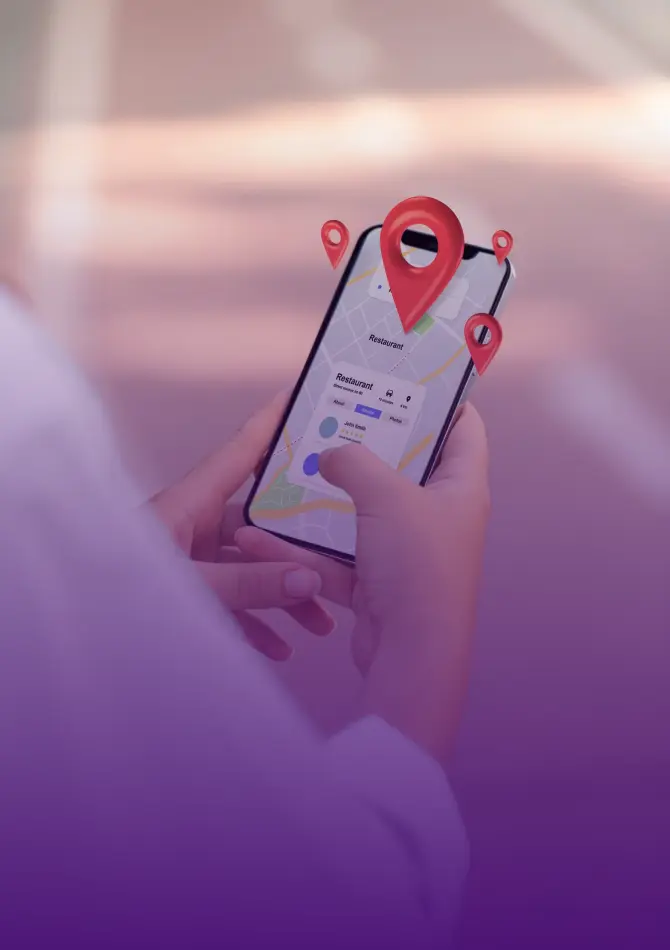
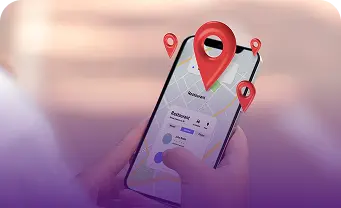
When someone types "bakery near me" or "electrician in Calicut," Google pulls up a small list of nearby businesses right at the top of the results. That list comes from a free tool called Google Business Profile, and most small business owners either never claim theirs or leave it half-filled.
A profile worth having should include the correct business name, address, and phone number, real photos of the shop or the work being done, updated opening hours, a link to the website if there is one, and replies to reviews as they come in, positive or negative.
Customers often decide whether to trust a business within seconds of viewing this profile, long before they ever step inside.
A lot of customers spend more time scrolling Instagram or Facebook than they do searching Google directly, which makes social media its own kind of storefront. Posting daily is not the goal here. Posting regularly, and posting things that feel real rather than staged, is what actually works.
A tailoring shop could post a customer picking up a finished outfit. A driving school could post a nervous first-time student successfully parking. A small eatery could post the lunch rush from behind the counter. None of this needs a professional camera, just a habit of showing the business as it actually runs.
Plenty of people trust a stranger's online review almost as much as advice from a friend, especially when they are choosing between two similar shops. Reviews do double duty: they build trust with new customers, and they push a business higher in local search results.
The simplest way to collect them is to ask right after a good experience, when the customer is still satisfied. A short message with a direct link makes it easy to say yes. When a review does come in, a quick reply matters too, a thank you for the good ones, and a calm, helpful response for the difficult ones. That response is often read by far more people than the original review itself.
An account that only posts "order now" and "limited stock" tends to get scrolled past. An account that occasionally teaches something useful tends to get remembered. This is what content marketing really means at a small business level: give away a little expertise for free, and people start seeing the business as the one that actually knows what it is talking about.
A caterer might post how to keep biryani rice from turning mushy. A gym trainer might post a two-minute stretch for lower back pain. A digital agency might post one quick fix for a slow-loading website. The free tip is not the product, but it is often what convinces someone to eventually buy the product.
Local SEO is really just making sure a business shows up when someone nearby searches for what it sells. It sounds technical, but the basics are simple enough for any shop owner to handle without hiring an expert.
That means mentioning the city or neighbourhood naturally on the website, keeping the address and phone number visible on every page, writing page titles that clearly describe what the business does, and getting listed on the directories people actually use, like JustDial or Google Maps itself.
Done well, this is what lets a business get found without spending a single rupee on ads.
Right now, short videos on Instagram Reels, Facebook Reels, and YouTube Shorts reach far more new people than a regular photo post does. None of this requires expensive equipment. A phone with decent light is enough to start.
Worth trying: a quick look at how a product is made, a genuine customer talking about their experience, one useful tip delivered in under thirty seconds, a light and playful look at a normal working day, or a short introduction to the people who actually run the place. Viewers tend to remember faces more than logos.
Most businesses lean entirely on social media and skip email altogether, which is a missed opportunity. Social platforms decide who sees a post and who does not. An email lands directly in someone's inbox, no algorithm involved.
A short list can still be put to good use: announcing a new offer, launching a new product, sending an occasional useful tip, or simply reminding old customers that the business still exists. Even a list of a couple hundred addresses, built slowly over time, can turn into real repeat sales.
Growth does not always have to happen alone. Teaming up with another local business that shares the same audience, without being a direct competitor, can bring in new customers for both sides at almost no cost.
A few examples that work well together: a bakery and a coffee shop cross-promoting each other's products, a gym recommending a nutritionist and getting recommended back, or a wedding photographer and an event decorator sending referrals to one another. Each business gets introduced to an audience it did not have to build from scratch.
Free strategies get a business surprisingly far, but a modest ad budget can speed things up considerably. On platforms like Google Ads and Meta Ads, an owner can choose exactly who sees the ad, narrowing it down by location, age, interests, or even what someone recently searched for.
Even a small daily spend, aimed at the right audience, tends to bring in people who are already looking for something close to what the business sells.
None of these nine steps requires a large team or a big budget. What they require is consistency. A complete Google Business Profile, a steady stream of honest reviews, social media that feels human rather than staged, and a website that mentions the local area clearly together- these build the kind of online presence that quietly keeps bringing customers back.
Pick one or two of these to start with this week. The rest can follow once the first habit sticks.
Written as part of a learner project at CDA Academy, where students build real-world digital marketing skills through hands-on practice.