
SEO
Your Competitor Doesn't Rank #1, So Why Does AI Recommend Them?
Imagine someone searching for "best bakery near me ", "digital marketing agency in Ernakulam ", or "plumber in Kochi." These people are actively looking for businesses that can solve their problems. Businesses appearing in these search results can create valuable opportunities to attract customers and increase sales.
This is where hyperlocal SEO for businesses becomes important. It helps businesses improve their visibility in searches connected to specific neighbourhoods, streets and nearby service areas. Instead of competing with businesses across an entire city, companies can focus on reaching potential customers in the locations they serve.
Whether you own a restaurant, retail store, salon, clinic or digital marketing agency, hyperlocal SEO can help you connect with people searching for your products or services
In this guide, we will explore what hyperlocal SEO is, why it matters and how small businesses can use strategies to improve local search visibility.
Hyperlocal SEO is a search engine optimisation strategy that focuses on improving a business's visibility in searches associated with a geographical area, such as a neighbourhood, commercial street or nearby locality.
Traditional SEO might target " restaurants in Kerala " while local SEO might target "best restaurants in Kochi." Hyperlocal SEO goes further by focusing on searches such as " restaurants near Kakkanad."
For example, a salon in Kakkanad may benefit more from attracting customers living or working there than from reaching people across Kerala.
The salon can increase its chances of showing up in pertinent search results by focusing on local keywords, optimising its Google Business Profile, and keeping correct business information.
People searching for nearby businesses often have an immediate need. Someone searching for "emergency dentist near me" is likely looking for a clinic rather than general dental information.
Targeting these searches helps businesses connect with customers at the right moment.
Small businesses may struggle to compete with established brands for keywords. Focusing on a geographical area creates more targeted opportunities.
For example, an independent coffee shop can focus on "coffee shop, near Palarivattom" rather than competing nationally for "best coffee shop."
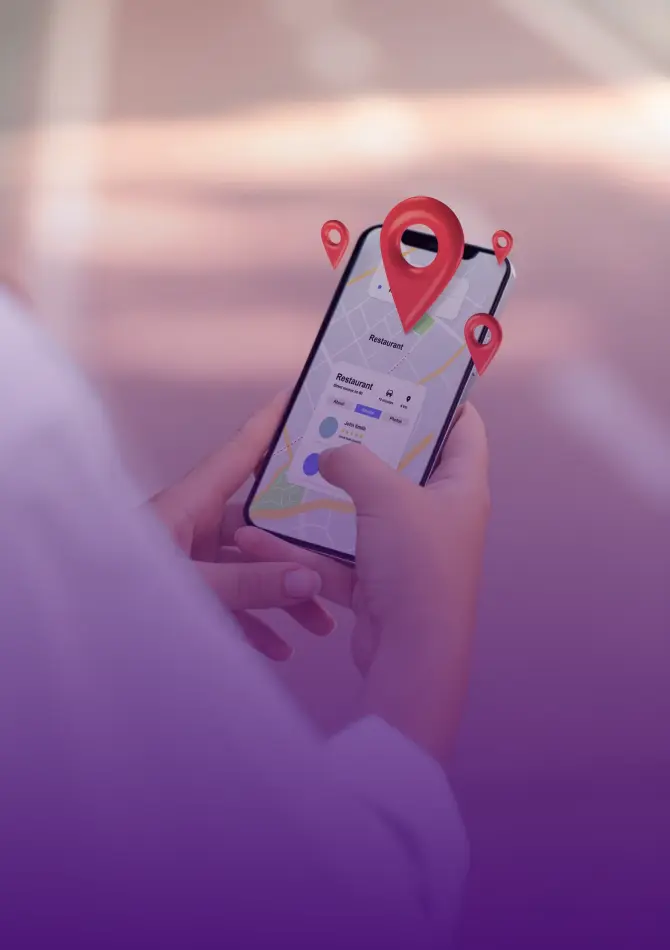
Google Maps helps customers find businesses. A well‑maintained Google Business Profile shows details such as opening hours, directions, contact information, reviews and links to the website.
Google looks at relevance, distance and prominence to decide results. Therefore, finishing a profile will not always earn the top spot.
A company can develop trust by providing accurate information, sincere client testimonials, and useful website content. Relevant visitors who might call, make appointments, inquire for directions, or make purchases can be brought in by hyperlocal SEO.
Your Google Business Profile is a tool for local search visibility. Begin by claiming and verifying the profile, then make sure the business name, address, phone number, website and opening hours are correct.
Select the relevant primary business category and add suitable secondary categories when needed. Explain your services clearly. Upload real photos of the premises, products, team or finished projects.
For example, a bakery in Edappally must show opening hours, describe its products and upload images that let customers see what it offers.
Encourage customers to leave honest reviews and reply professionally to feedback. Do not add keywords to the business name or create duplicate profiles to game the rankings.
Keyword research shows how customers look for products and services. Focus on keywords that merge your service with the locations you cover.
Examples include:
Use tools like Google Keyword Planner, Google Search suggestions and Google Search Console to find relevant search terms.
Think about search intent when picking keywords. A person looking for "website design ideas" might just be researching, while someone looking for "website designer, in Ernakulam" could be ready to hire.
Prioritise keywords that match your services and real service locations. Use them naturally throughout the website content.
If your business operates in more than one area, it's a good idea to make separate landing pages for each location. These pages help show customers which services are available in their area. For example, a digital marketing agency that works in Ernakulam, Kakkanad and Aluva can have a page for each place. Each website should explain the services' suitability and how they address regional needs.
A strong location page should include:
It’s important not to copy the same content and change the location name. Each page should give value. Create pages only for locations where your company actually conducts business. This keeps your content honest and useful.
Keep your business details accurate across all platforms. This includes your website, Google Business Profile, social media accounts and trusted directories. Ensure that your company's name, address, phone number, and hours of operation are consistent throughout all locations.
For example, if your website shows a phone number but your Google Business Profile has a new one, customers may not be able to reach you. That can lead to lost opportunities. Always update your information when your business changes. Whether it's a phone number, an office move or changed hours.
Pay attention to directories that are relevant to your sector. Don't simply send your information to every website you come across. Quality is more significant than quantity. Confidence is fostered by consistent information. makes it simpler for customers to locate and get in touch with you.
Customer reviews have an impact on how people decide which business to choose. When someone is looking for a service, they often check ratings, read reviews and see how the business responds to feedback.
Ask your customers to leave feedback after they’ve used your service, had an appointment or completed a project. You can share a review link through email follow-up messages or with receipts. Make it easy for them to give their opinion.
Always respond to reviews. Both good and bad. Thank people for comments and for negative ones address concerns calmly and professionally. Avoid sharing details in public replies. Focus on showing you care and want to improve.
Never buy reviews or offer rewards, for positive ratings. These practices hurt your credibility. Instead rely on feedback. Honest reviews build trust. Help you understand where you can grow.
Content marketing helps with SEO by answering questions that people in your area care about.
For example, a real estate company could write a guide about buying a home in Kakkanad. A restaurant could talk about local foods, and a digital marketing company could explain how businesses in Ernakulam can become more visible online.
Good content ideas include:
Your content should give value and not just use location names many times. Good local articles can bring in visitors, show that you know your stuff and get people to check out your services.
Many people use their phones to find businesses, especially when they need directions, contact info or quick help.
Make sure your website loads fast, the text is easy to read the navigation is simple. It's simple to locate the contact buttons.
Show your phone number clearly. Think about adding a button that lets people call you right away. If you take bookings, keep the process simple.
For example a home repair company could have a Request a Service" button and a restaurant could make its menu, hours and directions easy to find.
Use Google Search Console and PageSpeed Insights to find issues and make the mobile experience better.
Businesses can hurt their SEO by making some common mistakes.
Using many keywords: Repeating phrases like "best digital marketing agency in Ernakulam" over and over makes the content hard to read. Use keywords in a way.
Having multiple pages for the region: Creating numerous comparable pages for local locations is not very beneficial. Make pages only when you have something to add.
Not replying to reviews: Not responding to customer feedback can make a business seem uninterested. Always reply in a timely way.
Having business details: Old phone numbers, addresses and hours can make customers frustrated and lose trust.
A mobile experience: A website that is slow or hard to use may make people leave before they even contact you.
Expecting results: SEO takes time and effort. Rankings depend on things like competition how relevant your content is, where you are located and how good your website is.
Avoiding these mistakes helps build a base for long-term local search results.
Checking performance helps businesses see if their efforts are making a difference.
Google Business Profile stats: Look at the numbers like calls, website clicks, directions requested and relevant searches.
Local keyword rankings: Track how well you do for searches that mix your service and location. Keep in mind that rankings can vary based on the searcher's location.
Website traffic: Use Google Analytics 4 to look at how many people come from search, how they engage with your pages and how many take action.
Customer inquiries: Keep track of phone calls, form submissions, bookings and good leads.
Conversion rate: Find out what percentage of visitors take a desired action. For example, if 200 people visit and 10 ask for info, the conversion rate is 5%.
Customer reviews: Watch for reviews and repeated complaints to see how people feel about your business.
Don’t just look at rankings. The main goal is to bring in the customers and get real business results.
People’s search habits keep changing as they use phones, maps, voice searches and AI tools.
Customers might ask detailed questions like "Where can I find an affordable dentist near Aluva that is open today?" instead of using general words.
Businesses can get ready by keeping their information up to date, writing content answering common questions and building a good online reputation.
Using things like LocalBusiness schema markup can also help search engines understand what your business is about. Adding schema doesn’t always mean higher rankings.
The best way to do well is to give information show that you know what you’re doing, and make it easy for people to understand your services.
Hyperlocal SEO for businesses is a practical way for small businesses to connect with customers who are looking for products and services near them. By focusing on locations using relevant keywords, keeping business information accurate, collecting genuine reviews, creating useful content and ensuring the site works well on mobile, small businesses can boost the chances that the right customers will find them.
Start by optimising the Google Business Profile finding local keywords and improving the website service pages. Then measure enquiries, website visits and other meaningful outcomes to understand what works.
You do not need to dominate a city to grow your small business. Becoming a trusted and easily discoverable choice in the neighbourhood you serve can be a starting point.
Hyperlocal SEO is a way for small businesses to improve visibility for searches that relate to a specific neighbourhood, street or nearby service area.
Yes. Hyperlocal SEO is particularly useful for restaurants, salons, clinics, retail shops, home service providers and other small businesses that serve geographical areas.
Local SEO targets searches within a city, town or broader service area. Hyperlocal SEO focuses narrowly on neighbourhoods and nearby locations. Both approaches can be used together.
The timeframe depends on competition, website quality, business reputation and optimisation efforts. Sustainable results generally require work.
Indeed. Without a website, a small business can use its Google Business Profile to show up in Google Search and Maps results. However, a website can provide information and help convert potential customers.
Yes. Creating and managing a Google Business Profile is free for small businesses. Paid advertising is optional and separate from the profile.