
SEO
Why Your Page Is Indexed But Still Not Ranking on Google
Last week, a friend of mine needed a new washing machine. Ten years ago, she would have opened Google, typed "best washing machine under 20000," and spent twenty minutes clicking through review sites and comparison tables. This time, she just asked ChatGPT and had her answer, with reasons, in under a minute. No links. No tabs. No twenty minutes.
That small moment says a lot about where search is headed.
For years, "searching the internet" meant one thing: you typed a few words into Google, got a page full of blue links, and clicked through a few to find your answer. Now, more and more people are just asking an AI assistant instead and getting a full answer in seconds, with no clicking required.
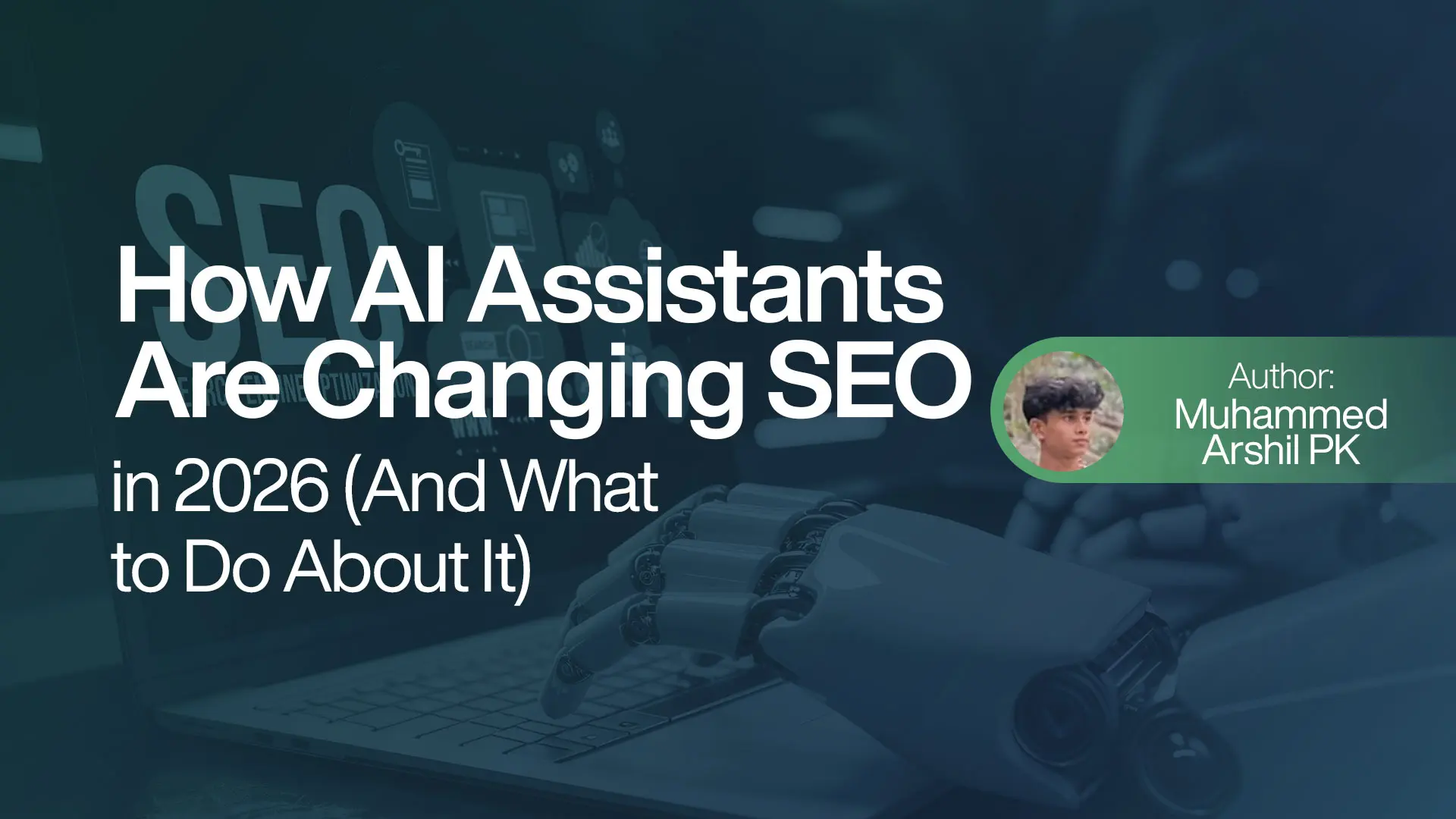
So does this mean SEO (Search Engine Optimization) is dying? Not exactly. It's changing. And in this post, we'll break down what's actually happening, in plain, simple language, and what it means if you run a website, blog, or small business.
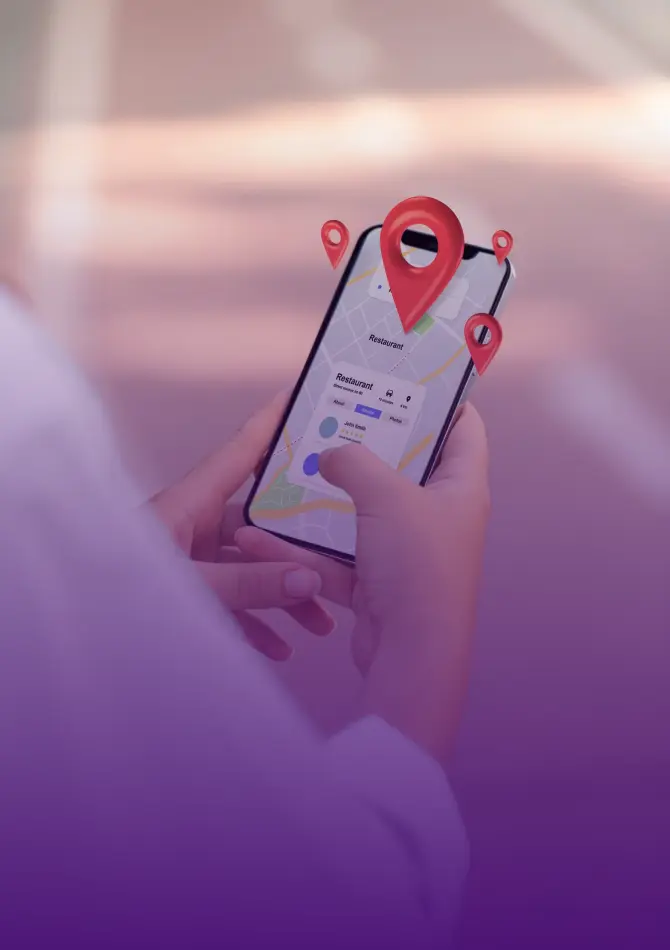
Search used to work like this: you'd type short keywords, like "best cafe near me", and scroll through a list of links to find what you wanted.
AI assistants work differently. You can just ask a full, natural question, like "What's a good cafe nearby for hanging out with friends?", similar to how you would ask a friend.
AI assistants provide you with the following benefits that traditional search did not:
The result? People save time. They get what they want without digging for it.
Here's the important part: experts don't agree that AI is replacing SEO. Most agree it's changing SEO.
Old-school SEO leaned heavily on three things:
These still matter. But they don't work alone anymore. Here's why: even if a website is ranked #1, a user may never click through to it at all if an AI assistant can already provide the complete solution. This is sometimes called a "zero-click search": the person got their answer without clicking anywhere.
This isn't just a feeling; it's already showing up in the data. A 2026 study by SparkToro and Similarweb found that more than two-thirds of Google searches in the US now end without a single click. In other words, most people are already getting their answer without ever visiting a website.
This does not imply that authority and backlinks are now worthless. It means they show up differently. Instead of just counting links, AI tools also pay attention to whether other trustworthy sources mention your brand even without a link. Getting quoted, reviewed, or mentioned by other credible sites still builds the kind of trust that gets you noticed, just in a new way.
You may start hearing a new term: AEO, or Answer Engine Optimization.
In simple words: instead of optimizing your content so it ranks well, you optimize it so it gets picked as the answer when someone asks an AI assistant a question.
A related term is GEO (Generative Engine Optimization), making sure AI tools can easily read, understand, and quote your content when generating an answer.
Both AEO and GEO are built on the same basic idea: be the clearest, most trustworthy answer to the question someone is actually asking.
Your content must meet certain standards to appear in both traditional Google results and AI-generated responses:
Want to know if this is already affecting you? Try this:
If it doesn't yet, that's normal. Most businesses aren't optimized for this yet, which means there's a real opportunity to get ahead early.
If you run a website, blog, or small business, here's the simple takeaway:
Search is changing, but the basics of writing content people actually trust haven't. If you want to build these skills step by step, CDA's digital marketing courses cover exactly this kind of shift, from classic SEO to AI-era content strategy.