
Digital Marketing
Google Ads for Small Businesses: A Simple Beginner's Guide
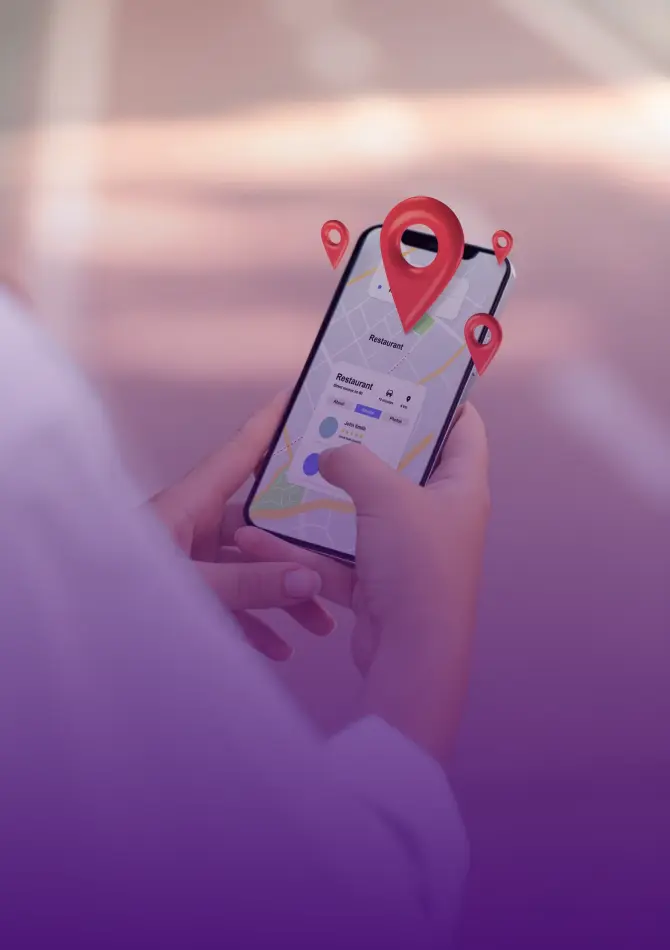
You type "best biryani near me" into Google, and the first result shows a restaurant with photos, reviews and a phone number. You call and book a table. That evening, an Instagram reel shows the same place's new dessert menu, so you save it for the weekend. So, what is digital marketing? That chain of small moments is the answer. A business uses online platforms to get found, get noticed and get a booking.
The digital marketing meaning is simple: businesses use the internet to reach people, talk to them and turn them into customers. The platform can be Google, Instagram, YouTube, email, WhatsApp or a plain website.
India has a huge online audience. TRAI counted about 1.11 billion internet subscribers at the end of June 2026 (1,114.17 million). One person can hold several connections, so that isn't 1.11 billion separate people. It still shows how many customers are online every day.
This digital marketing for beginners guide covers how it works, the main types, strategy steps, tools, AI, careers and common mistakes. A short FAQ closes the page.
Digital marketing is the promotion of a product, service or brand through the internet and digital devices. Businesses use search engines, social media, websites, email and online ads to reach customers and earn their trust.
That's the short version. In practice, a business uses these platforms for five jobs:
Is it just posting online? No. A product photo on your WhatsApp status is online promotion, and it's a single action. Digital marketing has a plan behind it: a clear audience, a goal, a mix of channels and a way to measure results.
That last part matters most. A business can see how many people saw an ad, clicked it and sent an enquiry. So the owner can put money where it works and stop spending where it doesn't.
Picture a small café in Kochi. This is an imaginary example for learning, so no real campaign or results are claimed.
Each channel does a different job. Instagram creates interest, Google helps people find the address, the website answers their questions and the ad nudges them on offer day. One customer may touch all four before walking in with friends.
Digital marketing isn't a pile of separate platforms. How digital marketing works is closer to a chain, where each link feeds the next. The loop below shows the order.
Take a yoga studio as an example.
Then the loop starts again, this time with sharper choices.
There are many digital marketing channels, and each has a different job. Most businesses use a mix. Here's a quick look at each one.

SEO is the work of making a website easy to find in free (organic) Google results. Done well, it brings organic traffic without paying for each click.
Four things matter most: keyword research, helpful content, technical health (speed, mobile view) and a clear site structure. A dentist in Thrissur, for example, can publish a useful page about tooth pain. People who search for that problem then find the clinic.
SEM is paying to appear in search results. Google Ads is the main platform, and most search ads run on pay-per-click (PPC), where the advertiser pays when someone clicks.
Paid ads give quick visibility. SEO takes longer but doesn't charge per click. Many businesses use both. For a practical look, read Google Ads for small businesses.
Social media marketing uses social platforms to build awareness, community and engagement. Organic posts are free and regular. Paid social uses ads to reach a chosen audience.
Instagram suits reels and visuals. Facebook works for local communities and events. LinkedIn reaches working professionals and business buyers. YouTube is the home of longer how-to videos.
Content marketing is about giving people useful information so they trust the brand. It can be blogs, videos, guides, podcasts or infographics. Google Search Central also advises creating helpful, reliable, people-first content instead of content made only to chase rankings.
Content feeds the other channels. A blog post supports SEO, a video feeds social media, and a guide can go out by email.
A website is the home base of digital marketing. Most campaigns end there. A person clicks from Google, Instagram or an ad and lands on a page.
So the page must work well. It should load fast, look right on a phone and have one clear button. A dedicated landing page helps because it has one goal, such as a call or a form fill.
Email marketing is talking to people who gave their email address: newsletters, offers and automatic follow-ups.
It works best when the list is split into groups (segmentation). New customers, old customers and people who left items in the cart need different messages. Email is especially good for retention.
Performance marketing is built around measurable results. The advertiser tracks actions such as leads, calls or sales, and budget decisions follow those numbers. On Google and Meta you still pay per click or per impression, so tracking is what tells you whether the spend paid off.
It relies on paid campaigns, conversion tracking and steady testing. A key number is return on ad spend (ROAS). It can run across Google, Meta and other platforms at once.
Marketing automation uses software for repeated tasks, such as scheduled messages, welcome emails and lead nurturing workflows.
It saves time, but only after the plan is clear. A weak message sent automatically is still a weak message. For more, see marketing automation in 2026.
Digital marketing channels at a glance
Traditional marketing means newspapers, hoardings, TV, radio and pamphlets. Both types can work. The right mix depends on the goal, the audience, the location and how well the plan is carried out.
Digital isn't always cheaper or better. A jeweller in a small town may still get walk-ins from a good newspaper ad during Onam, while an Instagram reel may bring younger buyers from nearby towns. Many businesses use both.
Here's what digital marketing can do for a business:
Take an imaginary furniture shop in Kerala. It lists its address on Google Business Profile so nearby buyers can find it. It posts short room-makeover videos on Instagram and runs a small ad for a festival offer. Each channel helps the others. Nothing is guaranteed, but the shop now has three ways to be found and a way to see which one brings enquiries.
A customer rarely buys on the first visit. The path from "never heard of you" to "loyal customer" is called the customer journey, and the marketing funnel shows that path in stages. Each stage needs different channels.

People first discover the brand. SEO, social media, YouTube and ads work well here.
People compare options. Blogs, reviews, videos and email help them decide.
People take action: they call, fill a form or buy. A clear landing page and a good offer matter most.
The business stays in touch so customers return. Email, WhatsApp updates and social media do this well.
This ties in with inbound marketing. Instead of pushing ads at everyone, the business shares useful content, and people who need that help come on their own. They're usually more interested, which makes them better leads.
A strategy is just a plan. It answers three questions: who you want to reach, where to reach them and why they should care.

Pick one clear goal: awareness, leads, enquiries, sales or repeat customers. "Get 30 enquiries a month" beats "get more customers".
Find out who your buyers are and what problems they face. A simple buyer persona helps. Write down their age, location, needs and worries.
Look at competitors' websites, social pages and ads. Note what they say, what they offer and what's missing. Then find a gap you can fill.
Don't use every channel. Choose the ones where your customers spend time, and that fit your goal.
Make a content calendar. Decide the messages, the budget and the landing pages. Keep the offer simple.
Track the actions that matter, such as calls, form fills and purchases. Without tracking, you're guessing.
Check the numbers every week or month. Test one change at a time. Keep what works and drop what doesn't.
A practical example: Imagine that a home bakery in Kochi wants more cake orders on WhatsApp.
Notice where the real work went: into choosing, not posting. A good strategy also says no to things that don't fit.
Tools make the work easier. These are the common ones.
Numbers matter too. Reading them is what digital marketing analytics is all about. These are the basic metrics.
Don't track everything. Pick metrics that match the goal. An awareness goal needs impressions. A lead goal needs CPL and conversion rate. Read more in web analytics in digital marketing.
AI is now part of daily marketing work. Marketers use it to:
Search is changing too. Google now shows AI features such as AI Overviews and AI Mode in some searches. Google Search Central says no special optimisation is required for these features and that normal SEO basics still apply. Clear, helpful content stays the foundation.
AI has limits. It can state wrong facts. It can raise privacy concerns when customer data is used. It can also make every brand sound the same. A chatbot may answer a simple price question well, yet fumble a complaint. So a human should always check the facts, the tone and the data use.
To go deeper, read this related article:
These digital marketing examples are imaginary and meant for learning. They aren't verified case studies.
A salon in Thrissur wants more bookings.
Customer journey: A woman sees a reel, checks the Google reviews, taps the call button and books a slot.
An online store sells handloom sarees.
Customer journey: A buyer finds a saree on Google, leaves without buying, sees a reminder ad on Instagram, then buys after an offer email lands in the inbox.
You don't need a marketing background. Follow these steps in order.
Be patient. Skills grow with practice, and results take time. Nobody becomes good at ads in a week, and that's fine.
Want to practise on real projects, not just read about them? CDA Academy's live online digital marketing course lets you learn with trainers and build a portfolio from wherever you are.
Digital marketing has many roles. Some are broad and some are specialist.
Growth in this field depends on practical skills, experience, a chosen speciality and proven performance. A degree alone doesn't decide it, and nobody can promise you a job. Most people start broad, then pick one area they enjoy.
Prefer learning in a classroom? Look at CDA Academy's digital marketing course in Kochi or the digital marketing course in Calicut.
Most early mistakes are easy to fix once you spot them.
If only one fix gets done, make it tracking. It makes every other decision easier.
Digital marketing is promoting a business through the internet. That includes Google search, social media, websites, email and online ads. The aim is to reach the right people, get their interest and turn them into customers. Most results can be tracked with numbers, which is a big difference from old-style advertising like hoardings or newspaper ads.
The main types are SEO, search engine marketing (paid search), social media marketing, content marketing, website marketing, email marketing, performance marketing and marketing automation. Each one has its own job. Most businesses mix two or three of them, depending on their goal, budget and audience. A new business can start with just one.
A business first studies its audience and where they spend time. Then it picks channels, shares content or ads, and asks people to act, for example, call, book or buy. Finally, it measures the results and improves the plan. The cycle then repeats, with better choices each time.
Digital marketing is the bigger field. It covers SEO, email, websites, paid search, content and more. Social media marketing is only one part of it and focuses on platforms like Instagram, Facebook, LinkedIn and YouTube. A business can do social media marketing alone, but most do more than one type.
Yes. You can learn the basics step by step with no marketing background. Start with simple topics such as SEO and social media, then practise on a small project. Move on to paid ads and analytics once the basics feel comfortable. Patience and regular practice matter more than any degree.
Useful skills include clear writing, basic design sense, curiosity about customers and comfort with numbers. Tool knowledge helps too, such as Google Analytics 4, Google Ads and Meta Ads Manager. Soft skills like patience and testing new ideas matter just as much, because campaigns rarely work the first time perfectly.
Yes. Employers and clients usually look at what a person can do. Practical skills, a portfolio of projects and tool knowledge carry real weight. A degree can help in some jobs, but many people enter the field through self-study or a structured course. No one can promise a job, so build proof of work.
Examples include a restaurant showing up on Google Maps, a brand posting Instagram reels, a Google Ads search ad, a newsletter sent by email, a YouTube how-to video and a blog post that ranks in search. Even a reminder ad that appears after you leave items in a cart is digital marketing.
Digital marketing connects businesses with people who are already online. It helps build real customer relationships, and it shows clear numbers on what is working. It takes strategy, creativity, technology and analytics working together, and no single tool or trick can replace that.
If you're a beginner, the next step is small. Pick one channel, set one goal and measure the result. Then add more as you grow.
Your first campaign can start small. When you want guided practice across SEO, content, social media, performance marketing and analytics, explore CDA Academy's digital marketing programs.