

Digital Marketing
Google Ads for Small Businesses: A Simple Beginner's Guide
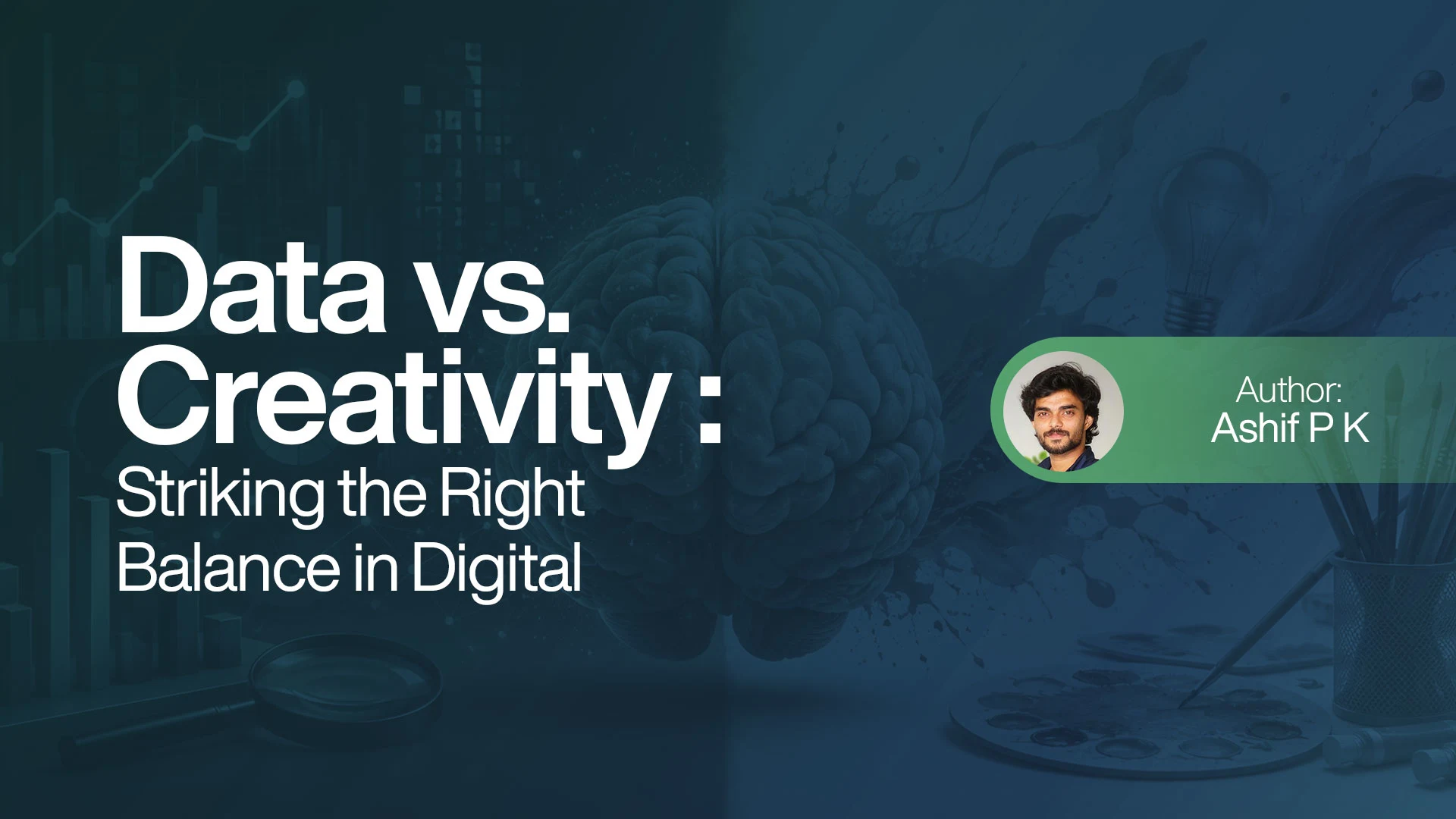
Have you ever felt stuck between two things: should you follow the numbers, or should you follow your imagination? If you're learning marketing, you've probably felt this. On one side, there's data: numbers, charts, and reports. On the other side, there's creativity: fun ideas, stories, and cool designs.
Here's the short answer: you don't have to pick one. The best marketing uses both. Data tells you what your audience likes and needs. Creativity turns that information into something people actually want to watch, read, or share. When you use both together, your marketing works better, and that's true whether you're running a huge company campaign or your very first project as a marketing student.
Let's break down how data and creativity work and how you can use both, even if you're just starting out.
Think of data as a map and creativity as the car. The map tells you where to go. The car is what actually gets you there in style.
If you only use data, your marketing can feel cold and boring, like a robot wrote it. If you only use creativity, you might make something beautiful that nobody actually wants, because you didn't check what your audience likes first.
Here's proof this matters: research from Kantar and WARC (two well-known marketing research groups) found that strong creative work can drive around 49% of a campaign's return on investment, meaning good ideas aren't just "nice to have." They're one of the biggest reasons a campaign succeeds or fails. But that creative work still needs data to aim it in the right direction.
Data is just information: facts about what people do, click, watch, and buy. Tools like Google Analytics (which tracks visits to a website) or a simple customer survey can show you this information.
Here's what data helps with:
Try this: A/B testing means showing two slightly different versions of something (like two ad headlines) to see which one people like more. It's an easy way to let data guide your creative choices.
Creativity is the part that makes people feel something: happy, curious, surprised. People don't remember spreadsheets. They remember stories, jokes, and moments that made them smile.
Here's what creativity helps with:
Try this: Keep a folder of ads, posts, or campaigns that impressed you. Study why they worked. This becomes your personal idea bank.
AI tools are changing how data and creativity work together. Instead of digging through spreadsheets by hand, marketers now use AI to spot patterns in data much faster. That frees up more time for the fun part: coming up with ideas.
But here's the important part: AI can help you brainstorm faster, but it can't replace your judgment. A computer can suggest ten headline ideas in seconds. A human still has to pick the one that actually fits the brand and feels right to real people. Think of AI as a helper that speeds up the "data" side, so you have more energy left for the "creativity" side.
Here's a beginner-friendly framework you can actually use, whether it's for a class project or a real client:
Before you create anything, look at what your audience actually wants. Check analytics, read comments, or run a small survey.
Now turn those facts into something interesting: a story, a visual, a catchy line, that matches your brand's personality.
Launch it, then watch how people respond. Make the next one even better by using what you've learned.
That's it. Data first, creativity next, then check your work, and repeat.
Spotify takes your personal listening data (what songs you played all year) and turns it into a fun, shareable story about you. That's data + creativity working together perfectly.
Coca-Cola used data about popular names to print them on bottles, a simple idea that made millions of people want to find their own name on a can.
The language-learning app uses data to know exactly when you're about to quit practicing, then uses its cheeky, meme-loving owl mascot to nudge you back in a way that feels funny, not naggy.
Notice something? None of these brands chose data or creativity. They used data to know what to say and creativity to say it in a way people loved.
It's easy to drown in numbers that don't actually matter (these are called "vanity metrics," stats that look good but don't mean much, like raw likes with no real engagement).
Fix: Only track numbers connected to your actual goal.
Creative Burnout
Coming up with fresh ideas all the time is tiring.
Fix: Take breaks, look outside your usual field for inspiration, and talk to people with different backgrounds. New perspectives spark new ideas.
Sometimes the "numbers people" and the "idea people" work separately and don't share what they know.
Fix: Get both teams talking from day one, not just at the end.
No. Neither wins alone. Data without creativity feels robotic. Creativity without data can miss the audience completely. You need both.
There's no single right number, but many marketers split resources roughly between core content, data-based optimization, and creative experiments, adjusting based on what's working.
Beginners can absolutely do this. To get started, you need not need any expensive tools. A free analytics account and a notebook of ideas you admire are enough to begin practicing both sides.
No. Basic marketing data just means looking at simple reports and numbers, like how many people visited a page or clicked a button. Free tools like Google Analytics show you this information in plain charts. You don't need coding skills to get started.
You might create something that looks great but doesn't actually reach the right people or solve their problem. Without data, you're guessing what your audience wants instead of knowing. That's why the framework in this post always starts with data first.
Data and creativity aren't rivals. They're partners. Data points you in the right direction. Creativity is what makes people actually stop, notice, and care.
If you're just starting to learn marketing, the good news is this: you don't need to be a "numbers person" or a "creative person." You need to get comfortable with a little of both, and that's exactly the kind of practical, hands-on skill CDA Academy's Digital Marketing program helps learners build, step by step.
So next time you're planning a campaign, or even a class project, start with the data, then let your creativity take it somewhere unforgettable.