
Content Marketing
The Difference Between Content That Generates Likes and Content That Generates Leads

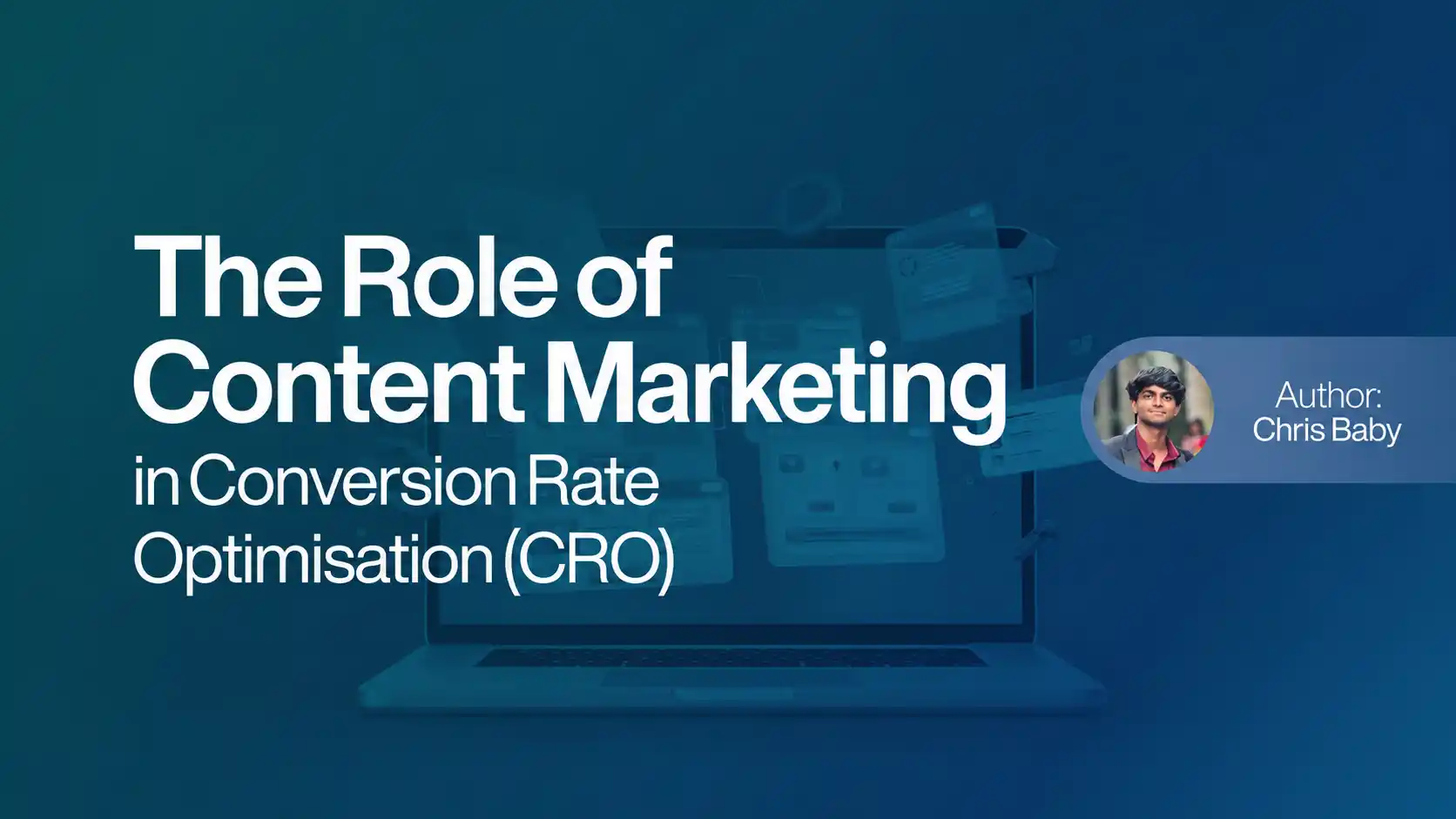
Content marketing supports conversion rate optimisation (CRO) by answering the questions that stop people from taking the next step. Useful articles attract relevant readers, comparison content helps them evaluate options, and clear page copy makes an enquiry or purchase easier.
Visitors need to know who a service is for, what it includes, why they should trust it and what happens after a click. Plan content around these questions across the customer journey.
Content marketing means planning, creating and sharing helpful material for a defined audience. As the Content Marketing Institute explains, its purpose includes encouraging useful customer action. CRO is the process of researching and testing changes that help a greater share of relevant visitors complete a valuable action.
A conversion might be a purchase, quote request or consultation booking. Content should help the reader understand and complete that action.
Content design connects the two. It determines which information people need, how to present it and where it belongs. GOV.UK’s content design guidance starts with user needs. On a commercial page, that can mean explaining eligibility before an application or showing delivery details before checkout.
Someone learning about a problem needs different information from someone comparing providers. Match the content and call to action (CTA) to the reader’s next useful decision.
An early-stage article can lead to a detailed resource or relevant service page. Share it through channels your audience uses, keeping the promise consistent from the email, social post or search result to the destination.
Our guide to content that generates likes versus leads explores why attention and buying interest are different outcomes.
Review enquiries, sales conversations and support questions for recurring concerns. Search queries can reveal customers’ wording; conversations help explain the need behind it.
Keep essential details on the relevant page. Use familiar language, explain necessary technical terms and include limitations that affect the customer’s choice.
Visitors often scan before deciding what to read closely. Nielsen Norman Group’s eye-tracking research describes this behaviour, while recognising that reading patterns vary with the task and the person. Descriptive headings and well-ordered information help readers find what matters to them.
For landing page optimisation, a useful starting structure is:
Test this structure against your audience’s needs. An unfamiliar or expensive service may need more detail. Keep useful navigation and trust information accessible; remove distractions only when they obstruct the task.
Conversion-focused content explains the offer in concrete terms. Button text should describe the action accurately, and form labels should make clear what information is needed.
This illustrative course enquiry example demonstrates a writing approach, not a measured conversion result.
Vague copy: “Unlock your potential with our best-in-class solutions.” Button: “Submit”.
Clearer copy: “Learn how to review landing pages and plan conversion tests.” Button: “Request course details”.
Use the revised wording only when the learning outcomes and enquiry process match the real offer. Explain any follow-up contact truthfully beside the form.
Place CTAs at natural decision points. A long page may need an early CTA and another after the evidence or FAQs. A button at the bottom can work when readers need the preceding information.
Place proof beside the claim it supports. A case study can demonstrate an approach; a genuine review can address concerns about support. Clear delivery, refund or cancellation details can reduce uncertainty.
Use testimonials with permission and give performance claims context, including the period, audience and measurement method. Avoid invented results, unsupported “best” claims and guarantees the business cannot honour.
Content also depends on the wider experience. If a form fails or a page is difficult to use on mobile, better wording may not resolve the problem. Use our website conversion audit guide to review the broader journey.
Choose a meaningful outcome before changing the page. For lead generation, track a successfully completed enquiry and review the quality of those leads. For ecommerce, track purchases and revenue. A button click can help diagnose the journey, but it does not confirm completion.
In Google Analytics 4 (GA4), important actions can be marked as key events. Check that the event fires only when the intended action succeeds, and that duplicate tracking does not inflate the results.
For a session-based view of one selected action, use:
Conversion rate = sessions with at least one completed target action ÷ total sessions in the same measured group × 100.
This corresponds to GA4’s session key event rate for a selected event. Keep the time period, page group and denominator consistent. Do not substitute total event counts for the number of sessions that completed the action.
For example, 40 converting sessions out of 2,000 sessions gives a 2% rate. With 50 converting sessions out of 2,000, it becomes 2.5%: an increase of 0.5 percentage points, or 25% relative. These illustrative figures explain the calculation; they do not prove that a content change caused an improvement.
Test a focused hypothesis, such as: “Explaining what happens after an enquiry will reduce uncertainty and increase completed enquiries.” A randomised A/B test compares the current page with a variation. Define the primary metric, required sample size, duration and decision rules before starting. Check lead quality or revenue so extra submissions do not hide a worse business outcome.
Account for traffic levels and normal weekly patterns, and avoid calling a winner after an early spike. You can test a complete page redesign, but the result will not identify which individual edit made the difference. When traffic is too low for a useful experiment, usability sessions and customer feedback can guide the next change.
Start with one important page
Choose a page with relevant visitors and a clear business goal. Address an unanswered customer question, improve the content and verify the tracking. Review the outcome alongside lead quality, sales and customer feedback.
Useful content helps people understand their options and act with confidence. To develop these skills further, explore CDA’s Conversion Rate Optimisation course.
Content design in CRO means choosing and arranging information so people can understand an offer and complete a useful action. It includes page structure, wording, format and the details that help users make a decision.
Copywriting focuses on the words used to communicate and persuade. Content design also considers whether that information is needed, which format suits it and where it belongs in the journey. The two practices overlap.
The right format depends on the barrier. A comparison can clarify options, a case study can provide evidence, and an FAQ can answer a practical concern. Choose content based on customer needs, then measure whether it helps.
There is no universal timeline. The traffic level, baseline conversion rate and size of the effect influence how much data you need. Follow the test plan and assess uncertainty before treating a change as an improvement.
Yes. Start with one important page, answer recurring customer questions and make the next step clear. Check that enquiries or purchases are recorded correctly. Use feedback and usability research when traffic is too limited for a reliable A/B test.