

Content Marketing
Short-Form Storytelling: How to Build a Brand in 60 Seconds (2026 Guide)

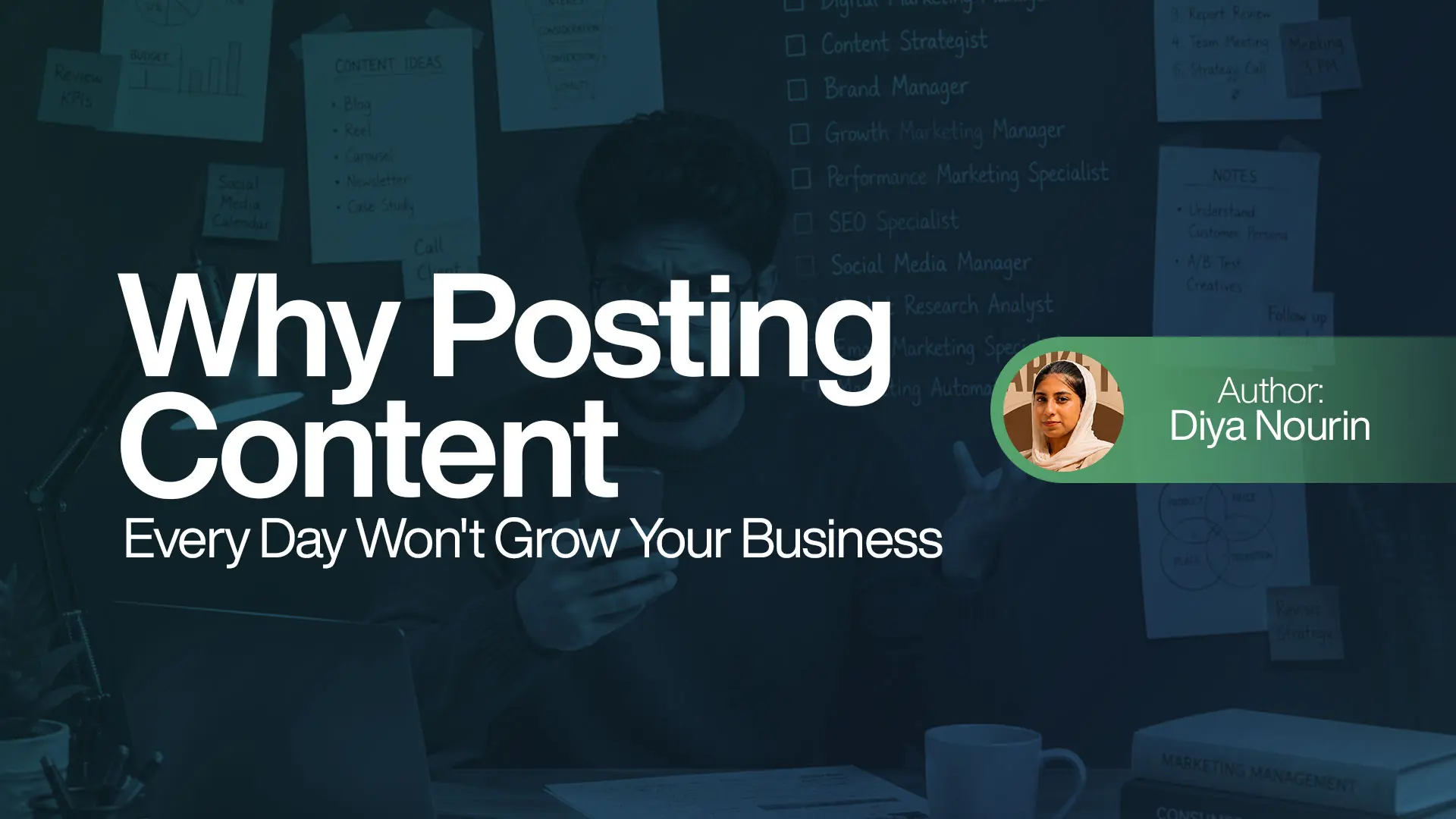
Have you ever seen a business post on Instagram every single day, but still struggle to get new customers? If this sounds familiar, you're one of many owners going through the same thing. Between planning posts, writing captions, and paying for ads, there's a lot of effort going in. Yet when the month wraps up, the numbers look almost the same as before.
Here is the simple truth. Posting a lot is not the same as posting the right things. If you want real growth, you need a plan behind your content. That plan is called a content strategy.
A content strategy is simply a plan that connects everything you post to a real goal for your business. It is not just deciding what to share tomorrow. It is deciding why you are sharing it at all.
Before posting anything, a good content strategy asks questions like:
When you answer these questions first, your content stops being random. It starts having a job to do.
Many businesses post whatever feels easy that day. One day it's a product photo. The next day it's a trending meme. Then a motivational quote. None of it is bad on its own. The real issue is that these posts have no thread tying them together.
Without that thread, your audience can't figure out what your brand actually cares about. And if they can't figure that out, they have no real reason to keep following you.
Here are common signs a business has no real content strategy:
Rarely checking analytics to see what is actually working
None of these mistakes will get you banned or in trouble. But they quietly waste your time, your money, and your team's energy.
Before you publish your next blog, reel, or email, stop and ask yourself:
"What do I want this content to actually achieve?"
Maybe you want to teach your audience something. Maybe you want more people to visit your website. Maybe you want to show up higher on Google. Or maybe you just want people to trust your brand a little more.
Once you know the goal, writing the content becomes much easier. You stop guessing, and every post starts working toward something bigger instead of disappearing into the feed within a day.
Good content always starts with understanding people first, not with what you want to say about your own business.
Before creating your next piece of content, try to understand:
Think about how different two customers can be. Someone shopping for skincare products usually wants to see before-and-after results, honest reviews, and quick tips they can try. Someone buying business software usually wants a demo, a comparison with other tools, and clear proof that it will actually solve their problem.
When your content speaks directly to what people actually need, it feels useful instead of promotional. That is when people start paying attention.
Content built around what people actually need stops feeling like an ad and starts feeling helpful. That shift is exactly what makes people stop scrolling and read.
A great blog post that nobody sees doesn't help your business at all. You could spend hours perfecting it, but if it never shows up on Google, that time brings you nothing back.
In simple terms, SEO is how you help Google understand what your content is about, so it knows when to show it to the right person.
Good SEO has nothing to do with cramming keywords into every line. It actually looks like this:
Do this well, and your content works for two audiences at once: the people reading it and the search engines deciding who gets to see it.
A lot of people believe that posting every day is the secret to growing online. Posting regularly does help. But posting often without a clear direction is like walking every day without knowing where you're going. You'll be tired, but you won't necessarily be closer to anywhere useful.
A real content strategy gives you that direction. It makes sure every blog, video, or post supports a bigger goal, instead of standing alone with no purpose.
The goal isn't to post more. The goal is to post content that actually moves your audience a step closer to trusting and choosing you.
People rarely buy something after seeing just one ad or one post. Trust takes time to build, and content is one of the best tools to build it.
Instead of constantly pushing your product, try focusing on:
When people keep learning something valuable from your brand, they slowly start to trust you. And trust is what actually leads to sales, not constant promotion.
You can't call a content strategy finished until you actually measure the results it's bringing in. Many businesses only look at likes, shares, and views. These numbers feel nice, but they don't always show real business growth.
Instead, pay closer attention to:
Track these consistently, and you'll know exactly where to double down and where to change course.
You don't need to fix everything overnight. Start small:
The internet doesn't need more content. It needs more content that actually means something.
Posting without a strategy can make a business look active online, but it rarely leads to real growth. A clear content strategy turns random posts into something that actually teaches, builds trust, and supports your business goals.
The businesses that succeed online are usually not the ones posting the most. They are the ones posting with purpose.
The next time you're about to hit publish on a blog, video, or post, pause for a second and ask:
"Will this genuinely serve the people reading it and push my business ahead, or am I just posting to stay busy?"
If you'd like to learn how to build a content and SEO strategy from scratch, CDA Academy's digital marketing courses cover this in detail, starting with understanding your audience all the way to writing content that ranks well and brings in real results.