

Marketing
MILLENNIALS VS GEN Z IN DIGITAL MARKETING

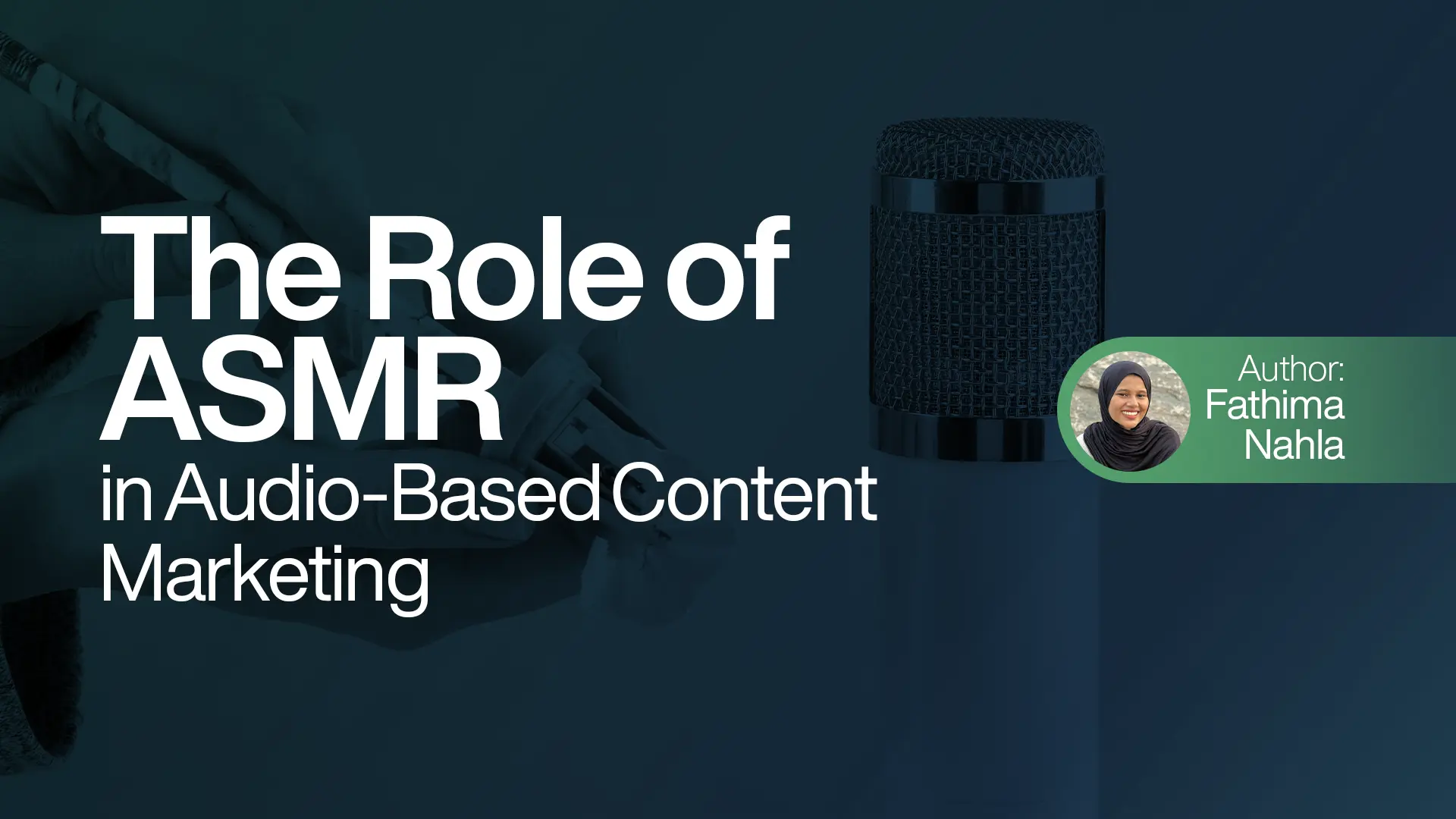
In the digital marketing landscape, with every brand vying for attention, getting noticed takes more than great visuals or savvy catchphrases. One of the emerging trends that's making a silent splash is ASMR - Autonomous Sensory Meridian Response , and its unexpected role in audio-based content marketing.
You’ve probably come across ASMR videos or audio clips: the soft whispers, gentle tapping, or the crisp sounds of paper crinkling that send pleasant chills down the spine. But beyond relaxation, ASMR is carving out a space in marketing strategies, helping brands create memorable, emotional connections with audiences.
Let’s explore how ASMR fits into modern content marketing, what makes it effective, and how small businesses can use this tool creatively.
ASMR stands for Autonomous Sensory Meridian Response. It describes the tingling, soothing feeling that individuals experience when they react to certain audio or visual stimuli such as soothing speech, leaf rustling, or gentle rain noises. For many, ASMR material is comforting, used to aid in relaxation, sleep, or stress reduction.
In content marketing through audio, ASMR-type sounds can engage those emotions, creating a stronger connection between audiences and brands. When well-executed, it becomes something that listeners actually want to listen to, rather than an experience just endured through.
Humans are bombarded daily by noise literal and metaphorical. Regular ads are commonly ignored or skipped. But ASMR audio engages listeners. It commands attention not by volume, but by calmness.
Here's why ASMR is so effective in audio content marketing:
Let's see a real-life example of the role of ASMR in audio-based content marketing in action.
A Kerala-based organic tea business wanted to market its soothing herbal teas. Rather than executing conventional radio commercials or social media campaigns, they developed an ASMR audio campaign.
Here's what they did:
They filmed the calming noises of their product — the gentle pouring of tea, the soft sound of tea leaves, and the clinking of a spoon whisking honey.
The results were staggering: the ASMR content and ads were more shared and saved than their past campaigns. Website traffic surged after every audio drop, and their herbal tea sales increased by 30% in two months.
This straightforward but innovative employment of ASMR made the brand resonate on a sensory and emotional basis, making their message and their offerings more likely to be remembered.
You don't need a recording studio or professional gear to begin experimenting with ASMR elements in your content. Here's how small businesses can tap into this trend:
Even though ASMR holds wonderful potential, it is advisable to enter into it carefully.
The future of audio-based content marketing with ASMR is just being tapped, but it presents compelling opportunities for brands to engage on a more intimate, sensory level. In a cacophonous online world, it's often the soft, calming moments that create the greatest impression.
If you're an entrepreneur, think about the sounds of your work, your process, or your product becoming part of your marketing narrative. With a bit of imagination, ASMR can assist you in building content that not only markets your brand but also provides an instant of relaxation your audience will cherish and recall.